

 Share:

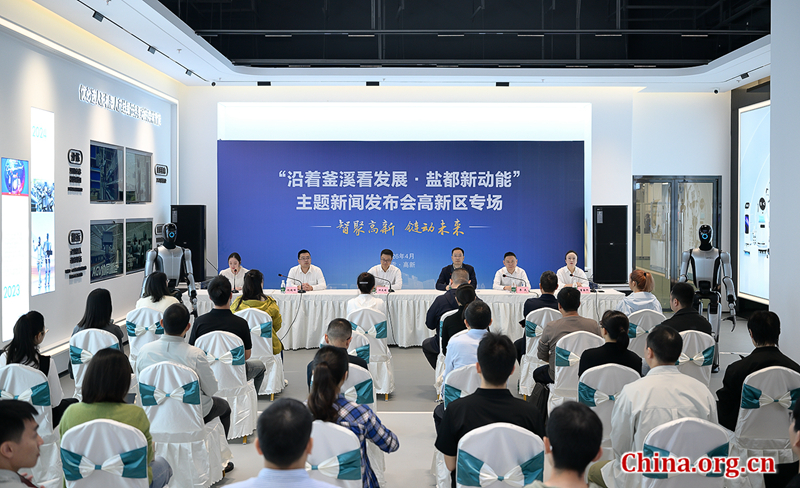
The Zigong High-Tech Zone in Sichuan province is ramping up efforts to build a competitive artificial intelligence (AI) industry cluster, positioning the sector as a core engine for industrial transformation and future growth, according to a press conference held in Zigong on April 16.
Under the theme "Smart Synergy, Linking the Future (AI Industry)," local authorities unveiled the latest progress in industrial development, alongside policy support measures, integration initiatives and investment plans.
Officials said the zone's AI sector has entered a new stage characterized by rapid momentum and cluster-based development. Key infrastructure has taken shape, including a robotics industrial park and a pilot-scale testing base for the commercialization of scientific and technological achievements. Construction is also accelerating on an AI innovation and development industrial park, with a focus on cutting-edge fields such as humanoid robots and autonomous vehicles.
Leading enterprises including UBTECH Robotics and Zelos Tech have established a presence in the zone, and a total of 16 major industrial projects have been launched in the zone. In 2025, revenue from the AI sector in the zone exceeded 200 million yuan (about $27.6 million).
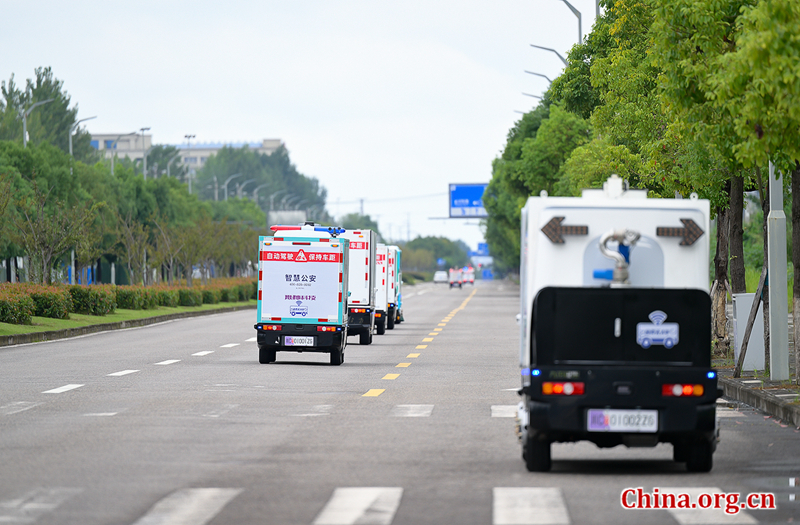
The Zigong High-Tech Zone has also taken the lead in Sichuan province by granting full-area road access for autonomous vehicles. To date, 38 demonstration routes have been opened, supporting more than 20 real-world application scenarios across urban governance, medical logistics and express delivery. Autonomous vehicles in the zone have collectively logged over 200,000 kilometers in operation. Talent development has also been prioritized. A dedicated industry-education integration training base has already trained more than 4,000 professionals.
Innovation capacity continues to strengthen, with the establishment of 12 high-level innovation platforms, including the province's first multimodal data collection and testing center for humanoid robots. Through collaboration with universities and research institutes, the zone has attracted 15 high-level experts through flexible recruitment mechanisms. Three specialized AI large models have already achieved commercial application.
Meanwhile, intelligent transformation has been widely adopted across traditional industries. The coverage rate of smart upgrades among major industrial enterprises in the zone has reached 85 percent, with several firms recognized as provincial-level smart factories and national-level benchmarks for intelligent manufacturing.
Looking ahead, the Zigong High-Tech Zone plans to intensify investment promotion efforts, address key gaps in the industrial chain and build a comprehensive AI ecosystem. It will also continue expanding application scenarios and strengthen resource support, with the goal of further accelerating the development of a provincial-level AI innovation pilot zone.
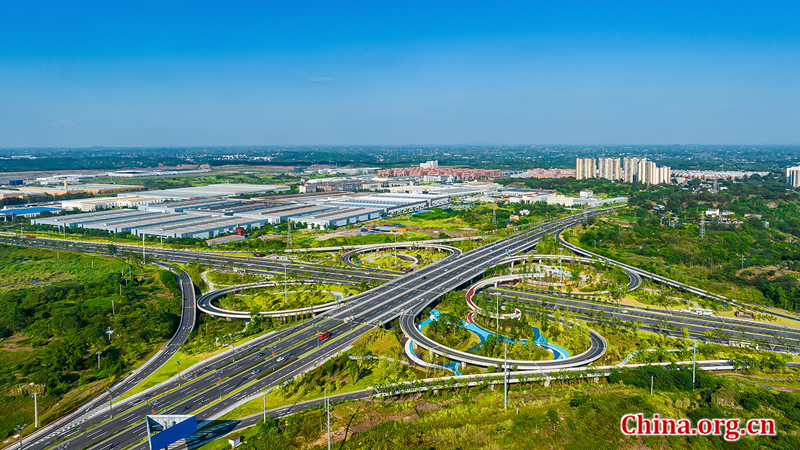
The Zigong High-Tech Zone in Sichuan province is ramping up efforts to build a competitive artificial intelligence (AI) industry cluster, positioning the sector as a core engine for industrial transformation and future growth, according to a press conference held in Zigong on April 16.
Under the theme "Smart Synergy, Linking the Future (AI Industry)," local authorities unveiled the latest progress in industrial development, alongside policy support measures, integration initiatives and investment plans.
Officials said the zone's AI sector has entered a new stage characterized by rapid momentum and cluster-based development. Key infrastructure has taken shape, including a robotics industrial park and a pilot-scale testing base for the commercialization of scientific and technological achievements. Construction is also accelerating on an AI innovation and development industrial park, with a focus on cutting-edge fields such as humanoid robots and autonomous vehicles.
Leading enterprises including UBTECH Robotics and Zelos Tech have established a presence in the zone, and a total of 16 major industrial projects have been launched in the zone. In 2025, revenue from the AI sector in the zone exceeded 200 million yuan (about $27.6 million).
The Zigong High-Tech Zone has also taken the lead in Sichuan province by granting full-area road access for autonomous vehicles. To date, 38 demonstration routes have been opened, supporting more than 20 real-world application scenarios across urban governance, medical logistics and express delivery. Autonomous vehicles in the zone have collectively logged over 200,000 kilometers in operation. Talent development has also been prioritized. A dedicated industry-education integration training base has already trained more than 4,000 professionals.
Innovation capacity continues to strengthen, with the establishment of 12 high-level innovation platforms, including the province's first multimodal data collection and testing center for humanoid robots. Through collaboration with universities and research institutes, the zone has attracted 15 high-level experts through flexible recruitment mechanisms. Three specialized AI large models have already achieved commercial application.
Meanwhile, intelligent transformation has been widely adopted across traditional industries. The coverage rate of smart upgrades among major industrial enterprises in the zone has reached 85 percent, with several firms recognized as provincial-level smart factories and national-level benchmarks for intelligent manufacturing.
Looking ahead, the Zigong High-Tech Zone plans to intensify investment promotion efforts, address key gaps in the industrial chain and build a comprehensive AI ecosystem. It will also continue expanding application scenarios and strengthen resource support, with the goal of further accelerating the development of a provincial-level AI innovation pilot zone.
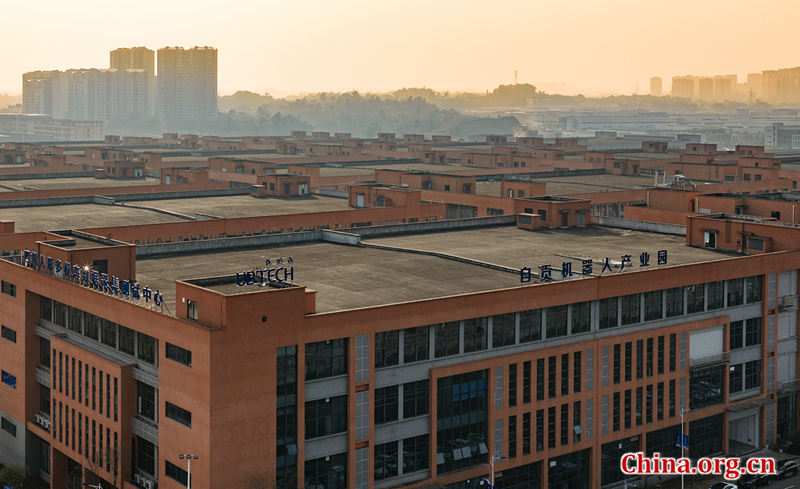
The Zigong High-Tech Zone in Sichuan province is ramping up efforts to build a competitive artificial intelligence (AI) industry cluster, positioning the sector as a core engine for industrial transformation and future growth, according to a press conference held in Zigong on April 16.
Under the theme "Smart Synergy, Linking the Future (AI Industry)," local authorities unveiled the latest progress in industrial development, alongside policy support measures, integration initiatives and investment plans.
Officials said the zone's AI sector has entered a new stage characterized by rapid momentum and cluster-based development. Key infrastructure has taken shape, including a robotics industrial park and a pilot-scale testing base for the commercialization of scientific and technological achievements. Construction is also accelerating on an AI innovation and development industrial park, with a focus on cutting-edge fields such as humanoid robots and autonomous vehicles.
Leading enterprises including UBTECH Robotics and Zelos Tech have established a presence in the zone, and a total of 16 major industrial projects have been launched in the zone. In 2025, revenue from the AI sector in the zone exceeded 200 million yuan (about $27.6 million).
The Zigong High-Tech Zone has also taken the lead in Sichuan province by granting full-area road access for autonomous vehicles. To date, 38 demonstration routes have been opened, supporting more than 20 real-world application scenarios across urban governance, medical logistics and express delivery. Autonomous vehicles in the zone have collectively logged over 200,000 kilometers in operation. Talent development has also been prioritized. A dedicated industry-education integration training base has already trained more than 4,000 professionals.
Innovation capacity continues to strengthen, with the establishment of 12 high-level innovation platforms, including the province's first multimodal data collection and testing center for humanoid robots. Through collaboration with universities and research institutes, the zone has attracted 15 high-level experts through flexible recruitment mechanisms. Three specialized AI large models have already achieved commercial application.
Meanwhile, intelligent transformation has been widely adopted across traditional industries. The coverage rate of smart upgrades among major industrial enterprises in the zone has reached 85 percent, with several firms recognized as provincial-level smart factories and national-level benchmarks for intelligent manufacturing.
Looking ahead, the Zigong High-Tech Zone plans to intensify investment promotion efforts, address key gaps in the industrial chain and build a comprehensive AI ecosystem. It will also continue expanding application scenarios and strengthen resource support, with the goal of further accelerating the development of a provincial-level AI innovation pilot zone.
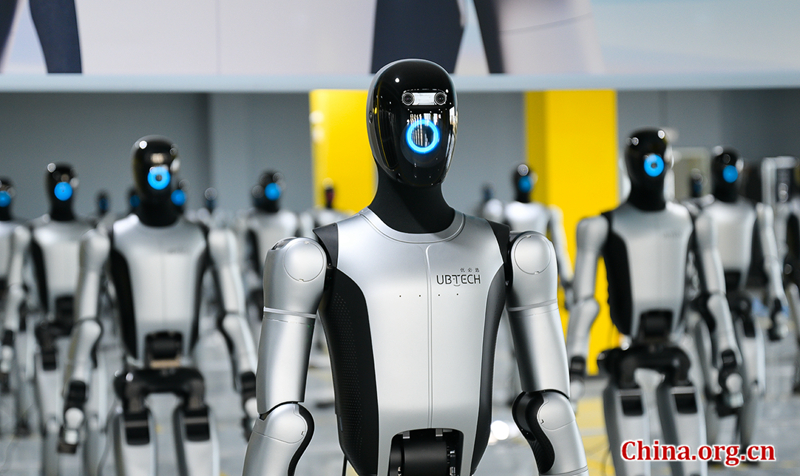
The Zigong High-Tech Zone in Sichuan province is ramping up efforts to build a competitive artificial intelligence (AI) industry cluster, positioning the sector as a core engine for industrial transformation and future growth, according to a press conference held in Zigong on April 16.
Under the theme "Smart Synergy, Linking the Future (AI Industry)," local authorities unveiled the latest progress in industrial development, alongside policy support measures, integration initiatives and investment plans.
Officials said the zone's AI sector has entered a new stage characterized by rapid momentum and cluster-based development. Key infrastructure has taken shape, including a robotics industrial park and a pilot-scale testing base for the commercialization of scientific and technological achievements. Construction is also accelerating on an AI innovation and development industrial park, with a focus on cutting-edge fields such as humanoid robots and autonomous vehicles.
Leading enterprises including UBTECH Robotics and Zelos Tech have established a presence in the zone, and a total of 16 major industrial projects have been launched in the zone. In 2025, revenue from the AI sector in the zone exceeded 200 million yuan (about $27.6 million).
The Zigong High-Tech Zone has also taken the lead in Sichuan province by granting full-area road access for autonomous vehicles. To date, 38 demonstration routes have been opened, supporting more than 20 real-world application scenarios across urban governance, medical logistics and express delivery. Autonomous vehicles in the zone have collectively logged over 200,000 kilometers in operation. Talent development has also been prioritized. A dedicated industry-education integration training base has already trained more than 4,000 professionals.
Innovation capacity continues to strengthen, with the establishment of 12 high-level innovation platforms, including the province's first multimodal data collection and testing center for humanoid robots. Through collaboration with universities and research institutes, the zone has attracted 15 high-level experts through flexible recruitment mechanisms. Three specialized AI large models have already achieved commercial application.
Meanwhile, intelligent transformation has been widely adopted across traditional industries. The coverage rate of smart upgrades among major industrial enterprises in the zone has reached 85 percent, with several firms recognized as provincial-level smart factories and national-level benchmarks for intelligent manufacturing.
Looking ahead, the Zigong High-Tech Zone plans to intensify investment promotion efforts, address key gaps in the industrial chain and build a comprehensive AI ecosystem. It will also continue expanding application scenarios and strengthen resource support, with the goal of further accelerating the development of a provincial-level AI innovation pilot zone.
The Zigong High-Tech Zone in Sichuan province is ramping up efforts to build a competitive artificial intelligence (AI) industry cluster, positioning the sector as a core engine for industrial transformation and future growth, according to a press conference held in Zigong on April 16.
Under the theme "Smart Synergy, Linking the Future (AI Industry)," local authorities unveiled the latest progress in industrial development, alongside policy support measures, integration initiatives and investment plans.
Officials said the zone's AI sector has entered a new stage characterized by rapid momentum and cluster-based development. Key infrastructure has taken shape, including a robotics industrial park and a pilot-scale testing base for the commercialization of scientific and technological achievements. Construction is also accelerating on an AI innovation and development industrial park, with a focus on cutting-edge fields such as humanoid robots and autonomous vehicles.
Leading enterprises including UBTECH Robotics and Zelos Tech have established a presence in the zone, and a total of 16 major industrial projects have been launched in the zone. In 2025, revenue from the AI sector in the zone exceeded 200 million yuan (about $27.6 million).
The Zigong High-Tech Zone has also taken the lead in Sichuan province by granting full-area road access for autonomous vehicles. To date, 38 demonstration routes have been opened, supporting more than 20 real-world application scenarios across urban governance, medical logistics and express delivery. Autonomous vehicles in the zone have collectively logged over 200,000 kilometers in operation. Talent development has also been prioritized. A dedicated industry-education integration training base has already trained more than 4,000 professionals.
Innovation capacity continues to strengthen, with the establishment of 12 high-level innovation platforms, including the province's first multimodal data collection and testing center for humanoid robots. Through collaboration with universities and research institutes, the zone has attracted 15 high-level experts through flexible recruitment mechanisms. Three specialized AI large models have already achieved commercial application.
Meanwhile, intelligent transformation has been widely adopted across traditional industries. The coverage rate of smart upgrades among major industrial enterprises in the zone has reached 85 percent, with several firms recognized as provincial-level smart factories and national-level benchmarks for intelligent manufacturing.
Looking ahead, the Zigong High-Tech Zone plans to intensify investment promotion efforts, address key gaps in the industrial chain and build a comprehensive AI ecosystem. It will also continue expanding application scenarios and strengthen resource support, with the goal of further accelerating the development of a provincial-level AI innovation pilot zone.


 京公网安备 11010802027341号
5143b8c6-1e4f-4943-a7ef-ecc2d2491b95.jpg)