 Share:


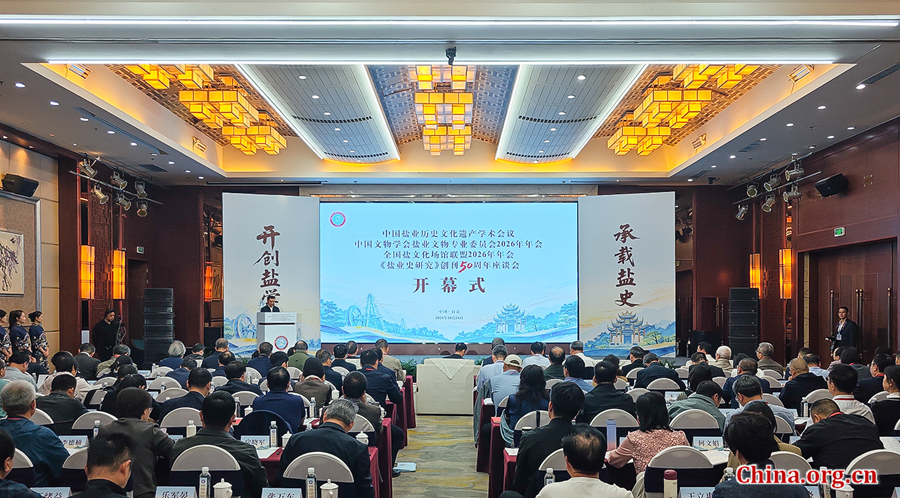
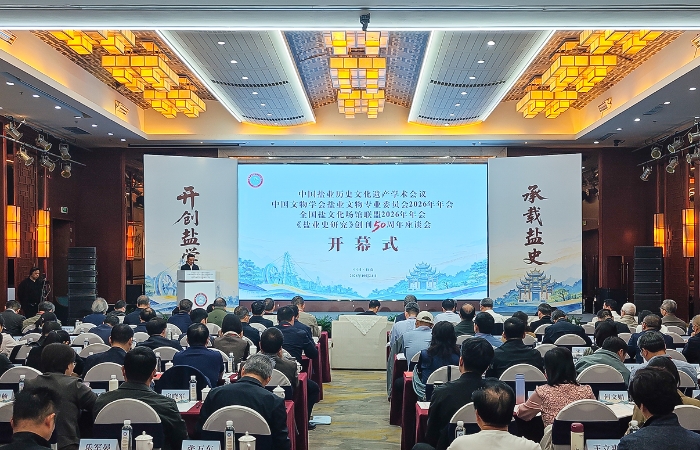
A conference on salt industry historical and cultural heritage opened in Zigong, southwest China's Sichuan province, on Oct. 24, as the journal Salt Industry History Research marked its 50th anniversary.
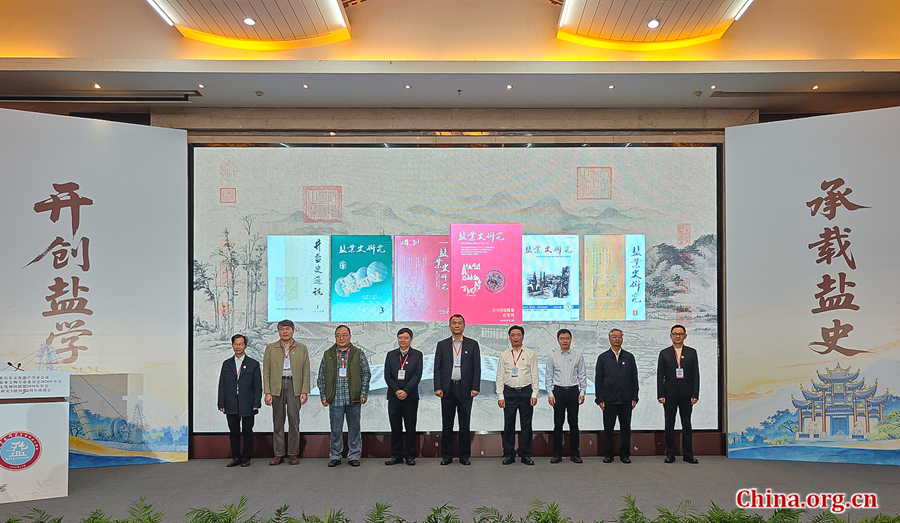
The event also included the 2026 annual meetings of the Specialized Committee on Salt Industry Cultural Relics of the China Cultural Relics Academy and the National Alliance of Salt Culture Venues.
Huang Jin, a member of the Standing Committee of the Zigong Municipal Committee of the Communist Party of China and head of its publicity department, said in her welcome address that the conference offers an opportunity for academic exchange and closer collaboration in preserving the legacy of the salt industry.
Zigong will use the occasion to step up the protection, research, inheritance and use of its salt industry heritage, Huang said. The city also aims to make Salt Industry History Research a leading academic journal in China with an international reputation, while speeding up construction of a new building for the Salt Industry History Museum and an integrated experience zone dedicated to well salt culture.
Tang Fei, a member of the leading Party members group of the Sichuan Provincial Department of Culture and Tourism and director of the Sichuan Provincial Cultural Heritage Administration, said the journal had helped bring together experts and scholars from across the country over the past five decades, producing a body of high-quality research.
These efforts have created positive momentum in the protection and use of salt industry heritage and offered a replicable model for preserving traditional industrial heritage in other regions, Tang said.
Gu Yucai, president of the China Cultural Relics Academy, called for better use of the expertise of the Specialized Committee on Salt Industry Cultural Relics and the academic platform provided by Salt Industry History Research. He urged the journal to strengthen its dedicated columns on salt industry archaeology, heritage and culture.
Such efforts, he said, would help develop a comprehensive approach covering archaeological investigation, research, protection and use, and further advance the preservation and promotion of China's salt industry heritage in the new era.
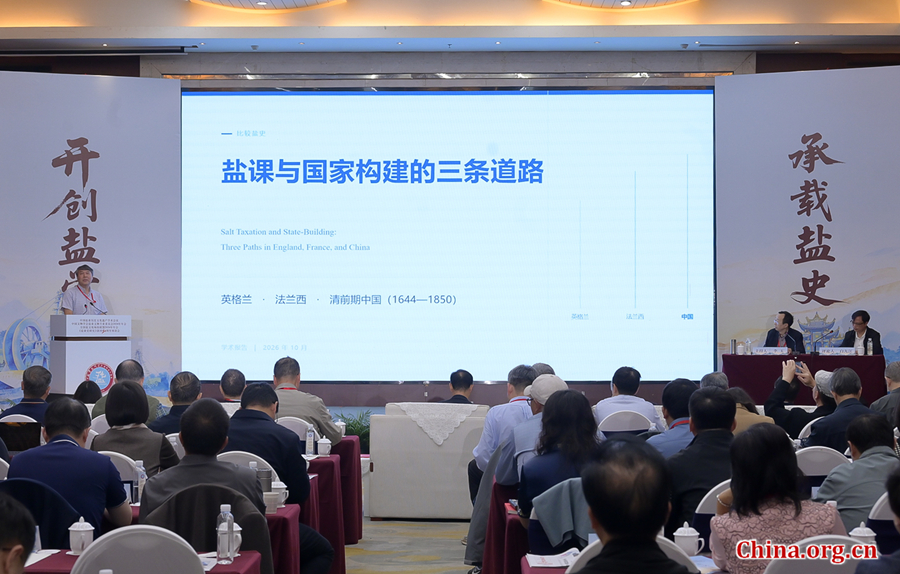
Eight experts and scholars delivered keynote presentations in two sessions. Their topics ranged from deeper study of traditional salt industry history and cultural heritage to new methods and perspectives.
The presentations reflected the field's growing diversity, interdisciplinary integration and depth, as well as continued efforts to advance the study and preservation of China's salt industry heritage.


 京公网安备 11010802027341号